

South Korea, U.S. explore alliance modernization ahead summit
South Korea, U.S. explore alliance modernization ahead summit
Posted August. 18, 2025 08:10,
Updated August. 18, 2025 08:10
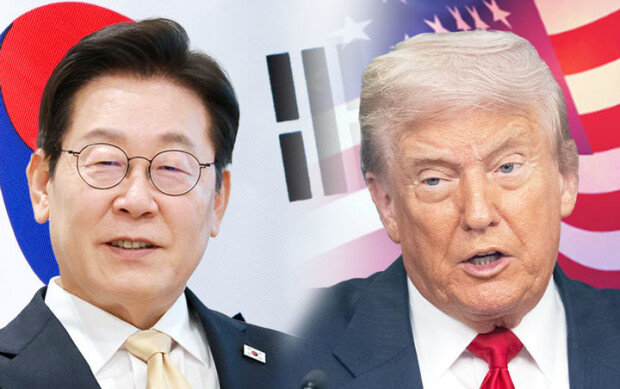
South Korea and the United States are working to include a framework for “alliance modernization” in the joint statement from the first summit between Korean President Lee Jae-myung and U.S. President Donald Trump. As Washington pushes for higher South Korean defense spending and potential adjustments to U.S. troop levels on the Korean Peninsula, Seoul is negotiating safeguards to prevent expanded strategic flexibility from pulling the country into unwanted conflicts.
“On alliance modernization between South Korea and the United States, opinions have been coordinated and could be reflected in the joint statement," a senior government official said on Aug. 17. "Things are moving in that direction.” The official added that comprehensive discussions are under way on strategic flexibility and other adjustments to U.S. forces in Korea.
The Trump administration has recently called for “alliance modernization,” including changes to the role and responsibilities of U.S. forces in Korea and higher defense spending, to respond jointly to threats from China and Russia. In response, the South Korean government has argued that the alliance should be strengthened as a “future-oriented comprehensive strategic partnership” by expanding cooperation not only in security but also in the economy and advanced technology.
Accordingly, the summit joint statement could include the basic principle of alliance modernization, which calls for South Korea to expand its role in Korean Peninsula security through higher defense spending while ensuring stronger consultations with Seoul on U.S. force adjustments and the expansion of strategic flexibility.
“The United States seeks to expand flexibility in light of the changing security environment in Northeast Asia, while we must respond with caution to avoid being drawn into unwanted conflicts," a senior government official said. "We are in talks to find common ground.”
Another senior official, addressing U.S. force adjustments in Korea, said, “Our position is that the capability of the combined defense posture is more important than the numbers. If various U.S. strategic assets are deployed, there are several options we can consider.”
윤다빈 기자 empty@donga.com

![“고인 통장에서 장례비 꺼냈는데”…상속포기 무효될 수 있나 [상속리포트]](https://dimg.donga.com/c/138/175/90/1/wps/NEWS/IMAGE/2026/06/26/134181179.3.jpg)

![주가 31% 폭락 인도네시아…원인은 ‘전국 무상급식’ 청구서[딥다이브]](https://dimg.donga.com/c/138/175/90/1/wps/NEWS/IMAGE/2026/06/26/134186879.1.png)


 About Dong-A Ilbo