

Netflix K-animation sparks global craze for 'ga
Netflix K-animation sparks global craze for 'ga
Posted July. 30, 2025 07:13,
Updated July. 30, 2025 07:13
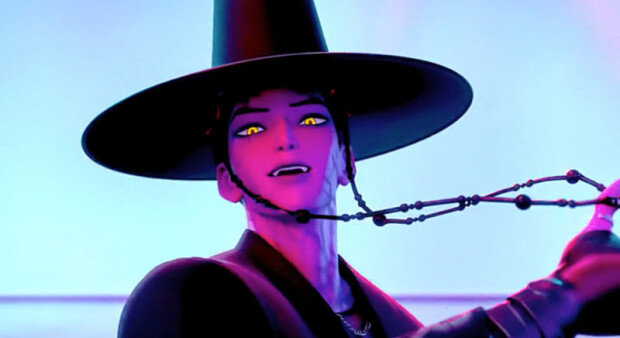
“That black hat blew me up.”
So reads a YouTube comment under the theme song “Your Idol” from the Netflix animated series K-Pop Demon Hunters, referring to the traditional Korean gat, specifically the black heungnip. The anime’s global popularity has led to an unexpected international fascination with gat, even causing gat-themed pens from museums to sell out.
Do Koreans themselves fully appreciate the significance of the gat? Experts in Korean folklore say that during the Joseon era, the hat was considered precious and meticulously cared for.
1. Even hats had houses
Scholar Lee Deok-mu (1741–1793) once wrote that the gat had to be tightly fastened and kept in a special case to avoid moisture and dirt. These gat cases, studied in a recent academic paper, were made of wood or paper and often decorated with colorful or patterned paper. Some even had red silk linings and locks. They came in various forms, like cone-shaped ipnong or box-style ipgap.
Heo Jung-in of the National Folk Museum said the heungnip, made of horsehair and thin bamboo, was fragile and symbolized social rank, so its storage reflected broader cultural ideals of formality and refinement.
2. In rain, a hat over a hat
When rain threatened, people used galmo—a conical paper-and-bamboo cover treated with oil, worn over the gat. It functioned like an umbrella or parasol. Fashion professor Choi Eun-soo noted that wet gat could easily deform due to the fine bamboo used in their construction. The galmo was foldable and could fit into a sleeve or bag. American traveler Percival Lowell praised its practicality in his book Choson, Land of the Morning Calm.
3. The fashion of decorating the gat
As elite men competed in hat fashion, gat strings evolved into status symbols. Some were made from tortoiseshell, coral, jade, or agate, sometimes reaching below the waist. Scholar Jang Sook-hwan noted that their excessive ornamentation even prompted government restrictions. "The gat remains a sophisticated fashion item combining translucent black with colorful, intricate strings," Choi says.
이지윤기자 leemail@donga.com








 About Dong-A Ilbo