

Trump hikes H-1B visa fees, tech firms alarmed
Trump hikes H-1B visa fees, tech firms alarmed
Posted September. 22, 2025 08:22,
Updated September. 22, 2025 08:22
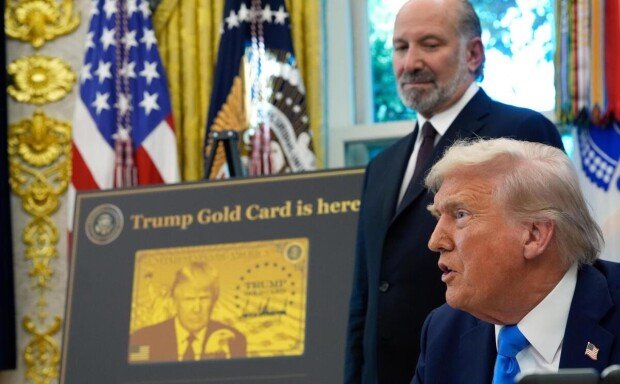
U.S. President Donald Trump signed a proclamation on Sept. 19 raising the fee for professional H-1B work visas from $1,000 to $100,000, representing a 100-fold increase. H-1B visas have long allowed top talent from around the world to work in U.S. high-tech industries. Critics say even this relatively open program is effectively being shut down amid the Trump administration’s tightening immigration policies. Analysts say the move reflects the administration’s broader approach of welcoming foreign investment while restricting foreign labor, as seen in high tariffs and investment pressures on other major economies. The South Korean government is closely monitoring the impact of the fee hike on Korean companies entering the U.S. and on ongoing Korea-U.S. visa discussions.
In the proclamation, Trump said, “H-1B has been exploited to bring in low-wage, low-skilled foreign labor into U.S. science and technology sectors,” adding that the fee increase is intended to address negative effects such as blocking employment for American workers, causing layoffs, and threatening national security. Typically, the cost of H-1B visas is borne by the hiring company, and the sharp increase is meant to encourage domestic employment. Observers say the move reflects the influence of the MAGA (Make America Great Again) faction, which has long opposed the H-1B program.
The announcement sparked concern among U.S. big tech companies, which rely heavily on foreign talent to strengthen their technological capabilities. The New York Times reported that Microsoft, Amazon, and JPMorgan instructed overseas employees to return to the U.S. quickly before the new rules took effect. The regulation goes into effect at 12:01 a.m. on Sept. 21, and companies urged employees to return within two days. Amid the confusion, the Trump administration clarified that the measure applies only to new H-1B visa holders and that exceptions will be allowed on a case-by-case basis if in the national interest.
Some worry the fee hike could disrupt South Korea’s plans to expand visa issuance following the recent detention of Korean workers in Georgia, the U.S. “We will evaluate the impact of this measure on our companies and skilled workforce entering the U.S. and engage with U.S. authorities as needed,” a South Korean foreign ministry official said Sept. 21.
Woo-Sun Lim imsun@donga.com · Oh-Hyuk Kwon hyuk@donga.com







 About Dong-A Ilbo