

U.S. exempts TSMC, Micron from equity stake demands
U.S. exempts TSMC, Micron from equity stake demands
Posted August. 23, 2025 07:10,
Updated August. 23, 2025 07:10
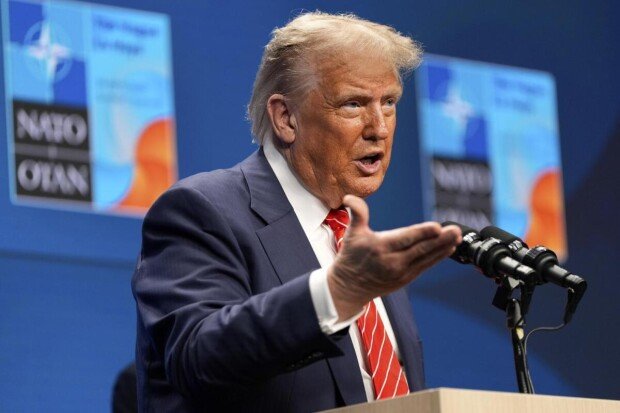
The Trump administration said it will not pursue equity stakes in semiconductor companies such as TSMC and Micron, which have announced plans to expand investment in the United States while receiving subsidies. The statement is viewed as pressure on other chipmakers, including Samsung Electronics and SK hynix, to increase their commitments.
According to the Wall Street Journal on Aug. 21, a U.S. official said, “The Commerce Department has no plan to take equity in companies like TSMC and Micron that are expanding investment in the United States.” The official added, however, that “companies failing to meet their commitments may be required to provide the government with shares in return for subsidies.”
The Trump administration recently declared it would demand equity from semiconductor firms receiving U.S. subsidies. But it has now said exceptions will apply to companies that pledged new investments during Trump’s term. TSMC and Micron announced plans to expand spending after Trump took office, while Samsung Electronics and SK Hynix revealed their strategies under former President Joe Biden but have yet to unveil additional projects. Analysts say the message is a direct attempt to use equity demands to pressure chipmakers into investing more in the United States.
During the Biden administration, Washington promised subsidies of $6.6 billion to TSMC, $6.2 billion to Micron, and $4.75 billion to Samsung Electronics under the CHIPS Act. Trump officials have criticized Biden’s policy as handing out funds without securing concessions from the companies.
Moves to reduce subsidies are also gaining momentum. Reuters reported the same day that the administration is considering diverting at least $2 billion from the CHIPS Act budget to projects involving rare earths and other critical minerals. The goal is to cut reliance on China, but if implemented, the plan could reduce the subsidies available to companies such as Samsung Electronics.
Earlier, the administration concluded that the United States was overly dependent on China for rare earths essential to advanced weapons production. In response, the Pentagon directly invested in MP Materials, a rare earth supplier. Reuters, citing sources, said diverting chip subsidies to mineral projects reflects the industry’s need for stable supplies of germanium, gallium, and other critical minerals. The administration considers the reallocation consistent with the intent of the CHIPS Act.
Trump is also reportedly considering granting Commerce Secretary Howard Lutnick greater authority over the management of the $52.7 billion in CHIPS Act funding.
이동훈기자 dhlee@donga.com







 About Dong-A Ilbo