

North Korea condemns upcoming South Korea-U.S. drills
North Korea condemns upcoming South Korea-U.S. drills
Posted August. 12, 2025 07:48,
Updated August. 12, 2025 07:48
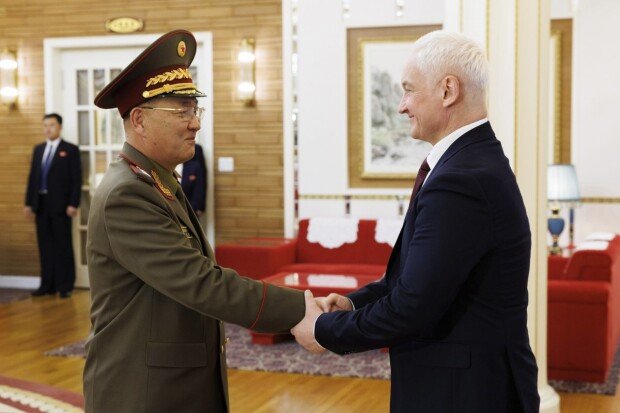
North Korea on Sunday denounced the Ulchi Freedom Shield joint military exercise between South Korea and the United States, set to begin on August 18, calling it a “provocation” and a “war exercise commotion.” The North said it would “strictly exercise its sovereign right of self-defense.”
In a statement carried by the Rodong Sinmun, North Korean Defense Minister No Kwang Chol said, “We strongly condemn the U.S.-South Korea provocation and sternly warn of the negative consequences it will cause. Our armed forces will remain in thorough and resolute readiness to counter the U.S.-South Korea war exercise commotion.” He argued that the UFS, conducted under a simulated nuclear war scenario, is “not only a direct military provocation against our state but also a real threat that increases the unpredictability of the armistice situation on the Korean Peninsula and deepens instability in the region.”
No’s remarks mark the North’s first official response since the announcement that the annual UFS will be held from August 18 to 28. The Unification Ministry assessed the statement as “focused more on expressing its position than on issuing a military threat,” noting that the language was relatively restrained. In the past, Pyongyang used terms such as “war of aggression rehearsal” and “nuclear war drill” to describe the exercises, but this year it opted for the milder “war exercise commotion.”
The North elevated the level of response by issuing the statement under the name of the defense minister, a rank equivalent to South Korea’s defense minister. In 2023 and 2024, Pyongyang had responded to the exercises with statements from the Foreign Ministry’s Institute for American Studies and commentaries from the Korean Central News Agency.
“The South Korea-U.S. joint drills are annual defensive exercises conducted to deter war and safeguard peace,” South Korean Unification Ministry spokesperson Koo Byoung-sam said at a regular briefing on Aug. 11. “The government will continue to pursue calm and consistent efforts to realize peace cooperation on the Korean Peninsula.”
Oh-Hyuk Kwon hyuk@donga.com





 About Dong-A Ilbo