

Drone flights to North pushed despite GPS risk
Drone flights to North pushed despite GPS risk
Posted July. 15, 2025 08:04,
Updated July. 15, 2025 08:04
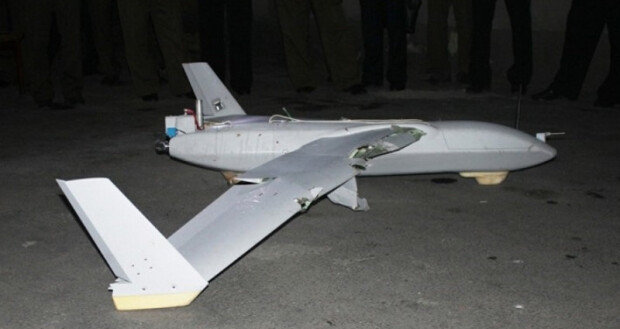
The special counsel team investigating former President Yoon Suk-yeol for charges of rebellion and foreign provocation, led by Special Prosecutor Cho Eun-seok, conducted a sweeping search and seizure operation on July 14 in connection with allegations that the administration attempted to provoke a North Korean attack by launching drones before declaring martial law. These allegations, referred to as the "North Wind" or foreign provocation plot, suggest that drones were intentionally flown toward the North to incite a military response.
Investigators have obtained testimony from military officials stating that there was internal resistance to the drone flights due to concerns over potential crashes caused by GPS jamming. Despite these warnings, the operations were reportedly carried out anyway, prompting the special counsel to accelerate the investigation.
On the same day, the special counsel conducted raids at 24 locations, including the Ministry of National Defense, the Army Drone Operations Command, and its subordinate units, as part of its probe into the foreign provocation allegations. The search warrants were issued on suspicion of “general aiding the enemy,” a charge that applies to those who undermine South Korea’s military interests or provide military advantages to an enemy state. The residence of Maj. Gen. Kim Yong-dae, commander of the drone unit, was among the locations searched.
Earlier in the investigation, the special counsel secured testimony from military personnel indicating that “there were internal objections citing the risk of drones crashing due to GPS jamming at the time of the flights,” but that Commander Kim pushed ahead with the missions. The probe is now focused on whether former President Yoon directly ordered the drone operations despite the opposition. Democratic Party Supreme Council member Kim Byung-joo, a retired four-star general, said on Sunday that, according to a reliable source, the drone command launched at least three operations involving a total of seven drones directed toward North Korea.
On July 14, when Yoon refused to appear for a scheduled 2 p.m. interrogation, the special counsel attempted to enforce his appearance, but the effort was unsuccessful. Deputy Special Counsel Park Ji-young stated in a briefing that correctional authorities informed them it would be virtually impossible to enforce the special counsel’s order. “Former President Yoon refused to leave his detention cell and did not comply in any way,” Park said. “Given his status as a former head of state, it would be difficult to use physical force.” The special counsel sent an official directive to the Seoul Detention Center, instructing them to bring Yoon to the interrogation room by 2 p.m. on July 15.
Meanwhile, in a separate investigation, Special Counsel Min Jung-ki, who is probing allegations against former first lady Kim Keon-hee, carried out raids on more than ten locations, including the Ministry of Land, Infrastructure and Transport in Sejong. The raids are related to suspected preferential changes to the Seoul–Yangpyeong Expressway route. The team also searched the Presidential Archives for documents related to alleged political interference in lawmaker candidate nominations.
In addition, arrest warrants have been requested for current and former executives, including the de facto owner of Sambu Construction, on charges related to stock manipulation. The investigation team has also summoned Kakao founder Kim Beom-soo for questioning in connection with the so-called “butler gate” scandal and requested that he appear by July 17.
최미송 기자 cms@donga.com






 About Dong-A Ilbo