

North Korea deploys Russian Pantsir in Pyongyang
North Korea deploys Russian Pantsir in Pyongyang
Posted July. 03, 2025 07:44,
Updated July. 03, 2025 07:44
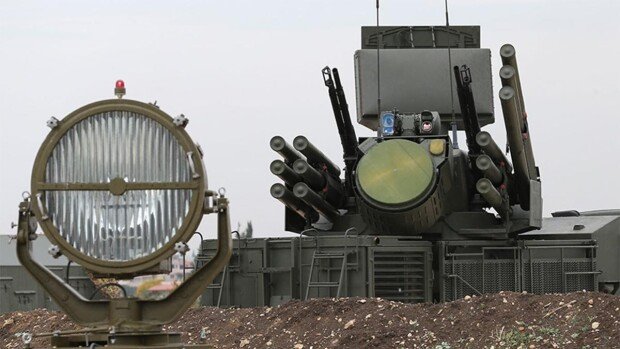
North Korea has deployed the Russian-made Pantsir S-1 mobile air defense system in Pyongyang to strengthen the capital’s defenses, according to Ukrainian intelligence officials. The move is seen as part of an effort to upgrade North Korea’s aging air defense network in exchange for sending troops or weapons to support Russia.
On July 1, Ukrainian media outlets, including the Kyiv Independent, reported that Kyrylo Budanov, head of Ukraine’s Defense Intelligence, said in a radio interview that “the first Pantsir system has already been installed in Pyongyang and is carrying out capital defense duties.” Named after the Russian word for “armor,” the Pantsir is a key air defense system developed by Russia. It is equipped with radar, surface-to-air guided missiles, and anti-aircraft guns, and is capable of intercepting cruise missiles and drones at altitudes of up to 40 kilometers. Each unit is estimated to cost around $15 million.
The Multinational Sanctions Monitoring Team (MSMT) reported in May that North Korea had supplied Russia with about 9 million artillery shells and more than 100 ballistic missiles. In return, Russia is believed to have provided North Korea with weapons systems, including the Pantsir. The MSMT, launched in October last year by South Korea, the United States, and Japan, is made up of 11 countries and was created to replace the UN Security Council’s Panel of Experts on North Korea sanctions.
Budanov stated that Russian forces are retraining North Korean personnel to operate advanced weapons systems, and that North Korea is expected to manage the technology independently in the near future. This indicates that North Korea is receiving not only arms but also substantial military technology support from Russia.
Budanov also predicted a potential increase in North Korean civilians entering Russia, including some who may volunteer for the Russian military. This approach allows North Korea to support Russia without officially deploying troops, which could trigger backlash from the international community or its own citizens. Last month, North Korea reportedly agreed to send an additional 6,000 military engineers and construction workers to Russia. Budanov previously claimed that Russia transferred Iranian suicide drone production technology to North Korea.
Seong-Mo Kim mo@donga.com

![‘월급 50만원, 아파트는 4억’ 베트남…청년들 “그냥 평생 월세 살란다”[딥다이브]](https://dimg.donga.com/c/138/175/90/1/wps/NEWS/IMAGE/2026/06/19/134141662.1.png)





 About Dong-A Ilbo