

Consumer confidence remains subdued amid economic concerns
Consumer confidence remains subdued amid economic concerns
Posted April. 24, 2025 08:06,
Updated April. 24, 2025 08:06
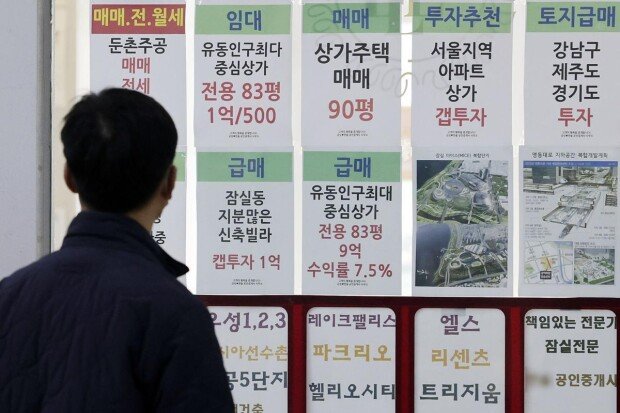
South Korea's consumer sentiment showed a slight improvement in April, driven by reduced political uncertainty and hopes for fiscal stimulus. However, consumer confidence remains negative, largely due to concerns over economic growth and U.S. tariff hikes.
The Bank of Korea's April Consumer Survey revealed that the Composite Consumer Sentiment Index (CCSI) increased by 0.4 points from the previous month, reaching 93.8. This modest rise reflects optimism stemming from political stabilization and potential economic measures such as supplementary budgets. Despite the uptick, the CCSI remains below the neutral threshold of 100, signaling ongoing pessimism.
The CCSI tracks households' perceptions of the current and future economic situation, with a reading above 100 indicating optimism, and below 100 indicating pessimism. The index had remained above 100 until November 2024 (100.7), but dropped to 88.4 in December following the emergency martial law, and has stayed below 100 for the fifth consecutive month.
While overall consumer sentiment remains weak, housing price expectations have continued to rise for the second month in a row. The Consumer Sentiment Index (CSI) for housing prices climbed to 108 in April, up from 105 in March, marking a consistent upward trend since February (99).
The CSI for housing prices measures consumer expectations for home prices a year ahead. A reading above 100 indicates that more consumers expect housing prices to increase. Despite a slowdown in apartment price growth, following the temporary lifting and re-expansion of land transaction restrictions in Seoul’s Gangnam, Seocho, Songpa, and Yongsan districts, consumer optimism about housing prices remains intact.
이동훈기자 dhlee@donga.com







 About Dong-A Ilbo