

Ukraine strikes St. Petersburg during SPIEF
Ukraine strikes St. Petersburg during SPIEF
Posted June. 05, 2026 08:40,
Updated June. 05, 2026 08:40
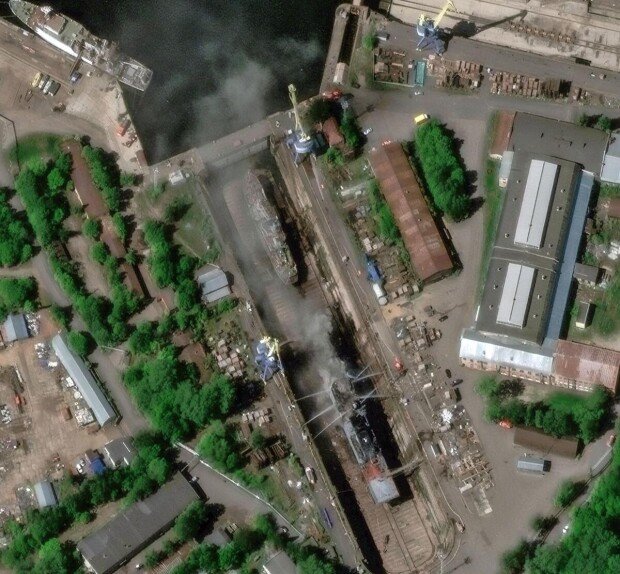
Ukraine launched a drone attack on the St. Petersburg region on June 3 as the St. Petersburg International Economic Forum (SPIEF), often described as Russia’s equivalent of Davos, opened its annual gathering. Russian President Vladimir Putin is scheduled to attend the forum and deliver a keynote address on June 5. The attack marked a further escalation in hostilities as U.S.-led efforts to end the war have remained stalled since February following fallout from the U.S.-Iran conflict.
Ukrainian President Volodymyr Zelenskyy posted a video on X showing smoke billowing from an oil storage facility and said several strategic sites inside Russia had been targeted overnight, including the St. Petersburg oil terminal.
He called the operation a “justified response” to Russia’s aerial assault a day earlier and said he remained ready to hold direct talks with Putin to end the war. Russia fired 73 missiles and 656 drones across Ukraine on June 2, killing at least 23 people and wounding more than 130, according to Ukrainian authorities. Moscow acknowledged the large-scale attack but did not disclose the extent of damage to critical facilities.
The strike was widely seen as a message timed to coincide with SPIEF, the annual economic forum hosted by the Russian government. About 20,000 participants from 130 countries, including the presidents of Uzbekistan and Tanzania, are expected to attend this year's event.
The attack struck an area about 16 kilometers (10 miles) from the forum venue, temporarily halting operations at St. Petersburg's airport and sending thick black smoke over parts of the city. The forum itself was proceeding as planned, The New York Times reported.
Separately, NATO Secretary-General Mark Rutte visited Kyiv the same day and appeared alongside Zelenskyy at a joint news conference.
“As Ukraine continues to hold firm and achieve results on the battlefield, Russia is becoming increasingly desperate,” Rutte said.
He said Moscow showed no indication that it was prepared to halt the war and claimed many young Russians were being drawn into unfair military contracts, often facing deployment with inadequate training and supplies and a high likelihood of being killed in combat.
Russia responded with a renewed nuclear warning. Speaking to reporters at SPIEF, Deputy Foreign Minister Sergei Ryabkov said Moscow could resort to nuclear weapons if Russian territory came under attack.
“The circumstances under which such weapons may be used are clearly laid out in the Russian Federation’s military doctrine and related documents,” Ryabkov said. “Even if the attacking country does not possess nuclear weapons, a worst-case scenario could still result in a nuclear response.”
Ryabkov added that Russia hoped to stabilize relations with the United States during President Donald Trump’s current term.
안규영 기자 kyu0@donga.com








 About Dong-A Ilbo