

U.S., Iran prepare for second round of talks
U.S., Iran prepare for second round of talks
Posted April. 15, 2026 09:27,
Updated April. 15, 2026 09:27
The United States and Iran are preparing for a second round of ceasefire talks that could take place as early as April 16 in Islamabad or Geneva, The Associated Press reported Monday. The two sides failed to reach a deal during their first round of negotiations held April 11 and 12 in Islamabad.
With a two-week truce agreed on April 7 set to expire on April 21, both governments appear to be stepping up quiet diplomatic contacts to secure another face-to-face meeting before the deadline.
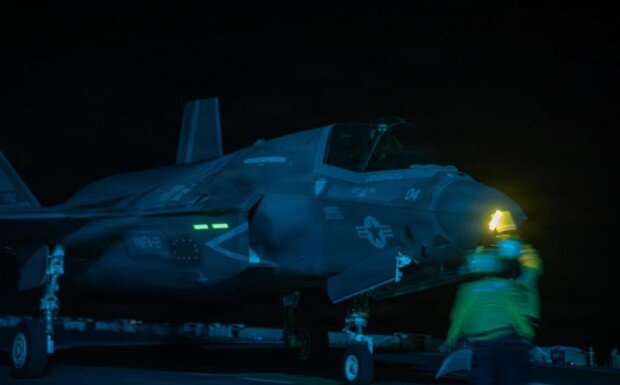
At the same time, Washington is increasing pressure on Tehran. At 10 a.m. Eastern Time on April 13, the United States deployed more than 15 naval vessels to begin a counter-blockade operation in the Strait of Hormuz, a critical route for Middle Eastern oil exports that Iran has effectively closed since the conflict began. The move is intended to curb Iran’s oil revenues and restrict the flow of external military supplies.
Analysts say Washington and Tehran are pursuing a two-track strategy, continuing negotiations while maintaining a firm military posture across the strategic waterway.
U.S. President Donald Trump said Sunday that Washington had been contacted by Tehran. “They want a deal very badly,” he said. Trump added that while Iran did not agree to abandon its nuclear weapons program during the first round of talks, he is confident it will do so in the next stage.
According to Iran’s state-run Islamic Republic News Agency, Iranian President Masoud Pezeshkian told French President Emmanuel Macron in a phone call the same day that Tehran had clearly outlined its conditions for a ceasefire and intends to abide by them. “We will negotiate strictly within the framework of international law,” he said, signaling that while differences remain over key issues such as uranium enrichment, dialogue remains possible.
A senior Pakistani official involved in mediation efforts told CBS News that contacts with both sides are ongoing, with both Washington and Tehran being urged to resume talks as soon as possible. Depending on how discussions unfold, the current two-week ceasefire could be extended beyond April 21.
Separately, President Donald Trump warned that any Iranian vessel approaching U.S. ships involved in the counter-blockade would be “eliminated immediately.” He said the United States would employ the same lethal systems used in operations targeting drug trafficking vessels.
The warning signals a strategy aligned with past interdiction efforts against narcotics-linked ships in Latin America, including waters off Venezuela.
According to the global ship-tracking service MarineTraffic, two Chinese-linked oil tankers reversed course near the entrance to the Strait of Hormuz shortly after the U.S. operation began.
In contrast, the tanker Elpis, sailing under the Comoros flag and under U.S. sanctions for alleged ties to Iran, passed through the strait shortly before the operation was launched.
Keun-Hyung Yoo noel@donga.com




![[김순덕의 도발]李대통령의 ‘면’이 깎였다](https://dimg.donga.com/c/138/175/90/1/wps/NEWS/IMAGE/2026/06/05/134053341.1.jpg)



 About Dong-A Ilbo