

AI brain diagnostic platform earns Edison Award
AI brain diagnostic platform earns Edison Award
Posted January. 27, 2026 08:59,
Updated January. 27, 2026 08:59
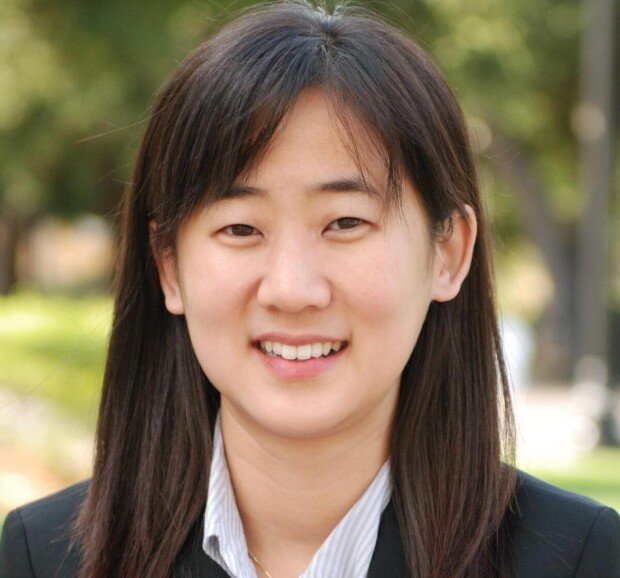
An artificial intelligence-based brain diagnostic platform developed by Lee Jin-hyung, a professor at Stanford University, has been selected as a winner of the Edison Awards, often referred to as the Oscars of innovation.
The Edison Awards committee said on Jan. 25, local time, that Neuromatch, developed by Elvis, a startup founded by Lee, was chosen as a final award recipient in the AI-augmented diagnostics category within the health, medical and biotechnology division. The Edison Awards name three finalists in each category before awarding gold, silver and bronze medals following final deliberations. The winners will be announced at the Edison Awards ceremony in April in Fort Myers, Florida.
Neuromatch uses artificial intelligence to automatically analyze electroencephalogram, or EEG, data to detect abnormal signals. EEG tests measure the brain’s electrical activity and are used to assess whether different regions of the brain are functioning properly. Until now, medical professionals typically reviewed EEG results manually, a process that could take several hours. Neuromatch has reduced that review time to just a few minutes. The platform helps physicians more effectively diagnose neurological conditions such as epilepsy and dementia. It has received certification from both the U.S. Food and Drug Administration and South Korea’s Ministry of Food and Drug Safety.
Lee graduated from Seoul National University with a degree in electrical engineering and completed his graduate studies in the same field at Stanford University. He later shifted his academic focus to brain research after his maternal grandmother suffered a stroke.
Established in 1987 and named after Thomas Edison, the inventor of the light bulb, the Edison Awards recognize commercially launched products that have demonstrated measurable improvements in people’s lives. This year’s finalists also include Samsung Electronics’ Bespoke AI All-in-One Combo and Samsung Smart Modular House in the human-centered home solutions category.
최지원 기자 jwchoi@donga.com


![“李대통령 만들어줬는데 말 안 듣는다는 게 문조털래유 생각”[정치를 부탁해]](https://dimg.donga.com/c/138/175/90/1/wps/NEWS/IMAGE/2026/06/24/134175928.1.jpg)




 About Dong-A Ilbo