

Japan wary of $44 billion Alaska LNG project
Japan wary of $44 billion Alaska LNG project
Posted May. 27, 2025 07:33,
Updated May. 27, 2025 07:33
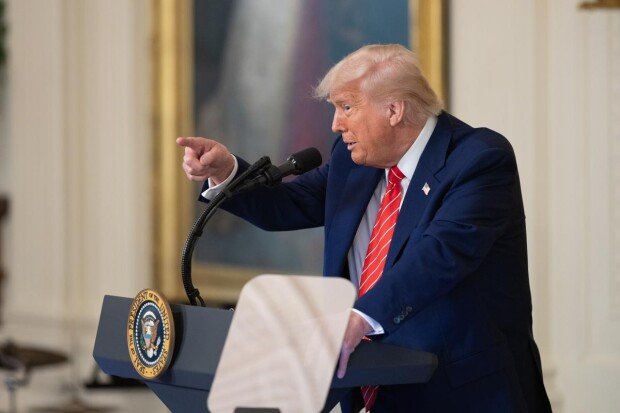
Japanese companies are showing reluctance to join the $44 billion Alaska liquefied natural gas (LNG) development project, a key initiative the Trump administration is urging South Korea and Japan to support, according to a report by The Yomiuri Shimbun on May 26.
While investment in the project has become a central point in ongoing U.S. tariff negotiations with both allies, Japanese firms are increasingly concerned about soaring costs and logistical hurdles. Some fear the total price could exceed 100 trillion won (approximately $73 billion), nearly double initial estimates.
The Yomiuri reported that Japanese Prime Minister Shigeru Ishiba is aiming to demonstrate progress on trade issues during the G7 summit scheduled for July 15–17 in Canada. In that context, participation in the Alaska LNG venture is seen as a possible negotiating lever. Ahead of the summit, the U.S. plans to host an “Alaska LNG Summit” on July 2, inviting South Korea, Japan, Taiwan, and others.
The massive project calls for constructing a 1,300-kilometer pipeline from Alaska’s North Slope to the southern port of Nikiski. The route would traverse three mountain ranges, including Mount McKinley, in extreme Arctic conditions, which is one reason for repeated delays.
In his first joint address to Congress since returning to office in March, U.S. President Donald Trump called on allies such as Japan and South Korea to invest trillions of dollars in the initiative, increasing pressure on both governments to participate.
But industry voices in Japan remain skeptical. An executive at a major trading company told The Yomiuri that completing construction in time for the planned 2031 production start is “virtually impossible,” citing ballooning costs and engineering complexity.
Separately, the Asahi Shimbun and other outlets reported that Tokyo has proposed creating a joint U.S.-Japan fund to help revive America’s shipbuilding industry as part of broader trade talks. The plan reportedly includes joint development of next-generation ammonia-fueled ships and icebreakers, as well as support for U.S.-based ship maintenance and repairs.
In-Chan Hwang hic@donga.com


![[오늘의 운세/6월 14일]](https://dimg.donga.com/c/138/175/90/1/wps/NEWS/IMAGE/2026/06/13/134104335.1.jpg)
![국비 지원받아 무료로 중장비 면허 딴 60대 女농사꾼[은퇴 레시피]](https://dimg.donga.com/c/138/175/90/1/wps/NEWS/IMAGE/2026/06/13/134102134.5.jpg)



 About Dong-A Ilbo