

Quiet crisis in S. Korea-US alliance
Quiet crisis in S. Korea-US alliance
Posted March. 29, 2025 07:13,
Updated March. 29, 2025 07:13
Concerns have been raised about a deepening, under-the-radar crisis between the second Trump administration in the U.S., which is emphasizing an "America First" approach, and Korea, which is experiencing a leadership vacuum amid impeachment turmoil.
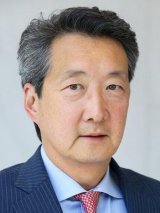
Victor Cha, Korea Chair at the Center for Strategic and International Studies (CSIS) and a leading expert on the Korean Peninsula, said during an online forum on Thursday (local time) that the South Korea-U.S. alliance is facing a "quiet crisis" that few are openly discussing. The forum, titled “What Does the Future Hold for Korea?”, included former U.S. Ambassador to Korea Mark Lippert, Washington Post Tokyo Bureau Chief Michelle Ye Hee Lee, and Wall Street Journal Seoul Bureau Chief Tim Martin. Cha expressed concern that Korea’s current leadership vacuum is exacerbating this crisis. He pointed to the lack of recent high-level bilateral engagement, trade pressure from the second Trump administration, and U.S. Defense Secretary Pete Hegseth skipping Korea during his recent visit to Asia as signs of the strained alliance.
Cha also noted that Korea’s political crisis and the street protests cannot be resolved without a presidential election. He warned that if the Constitutional Court were to dismiss or reject the impeachment case against President Yoon Suk Yeol and he returned to office, the crisis could deepen further.
Cha went on to mention Elbridge Colby, a nominee for U.S. Under Secretary of Defense for Policy who has repeatedly emphasized that U.S. Forces Korea should focus on defending South Korea from China. Cha assessed that this could increase pressure on South Korea regarding strategic flexibility and the Special Measures Agreement (SMA) on defense cost-sharing.
When asked whether U.S. trade pressure, such as tariffs, could influence Korea’s elections, WSJ’s Martin suggested, “When the U.S. appears aggressive, the Democratic Party of Korea could benefit from a backlash effect.”
Woo-Sun Lim imsun@donga.com






 About Dong-A Ilbo